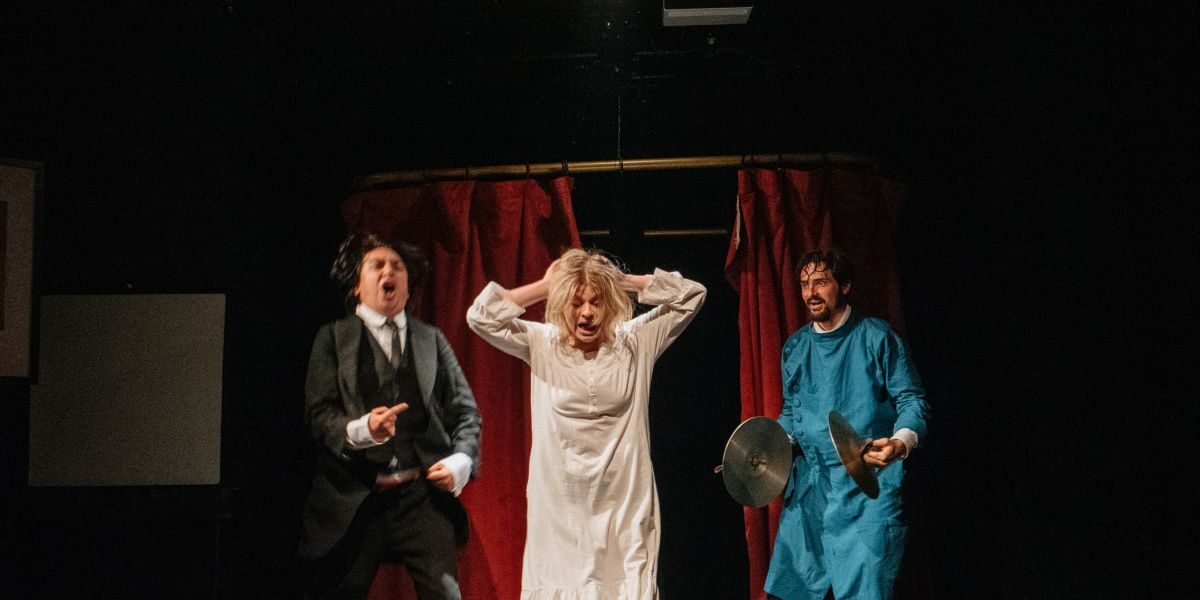
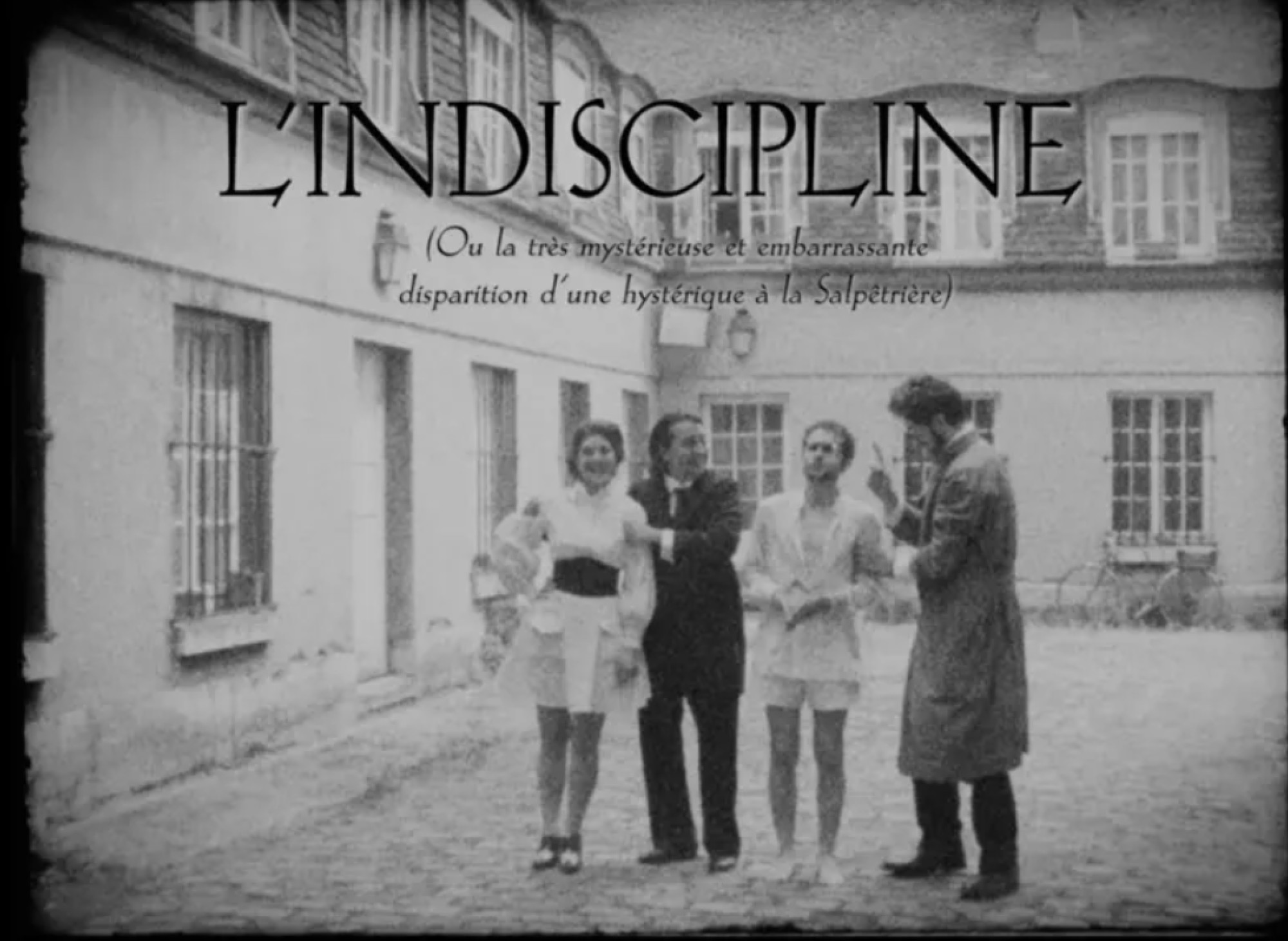
Looking for a grotesque dramedy, that examines the absurdities of historical medicine and gendered power? L’Indiscipline is not to be missed. As part of the multi-lingual Voila Festival, the 90 minute production takes place at Theatro Technis. Staged by the Threepenny Collective, it plunges audiences into the chaotic world of Jean‑Martin Charcot’s Salpêtrière lectures. When his star patient, Louise Gliezes, disappears, Charcot and his assistant Georges Gilles de la Tourette are forced to improvise, recruiting other patients — including Marie “Blanche” Wittman and Rose Kemper — to continue the lecture. What unfolds is a grimly comic dissection of power, performance, and the absurdity of “scientific” cruelty. L’Indiscipline interrogates the social and medical construction of female hysteria, revealing psychiatry framed women’s distress as both spectacle and evidence of patriarchal control. The audience witnesses the tension between obedience and agency, and the staging foregrounds the ethical ambiguities of observing suffering as spectacle. Though there is a ‘male’ patient, he is not treated with the same patronizing sexism as his female counterparts.
Hysteria, Power, and the Female Body
In the 19th century, hysteria wasn’t a medical diagnosis. Instead it was a social instrument enforcing gendered norms. According to Elaine Showalter, the diagnosis functioned to pathologize women who deviated from societal norms, turning resistance into spectacle. L’Indiscipline embodies this tension: the women perform convulsions and fainting as expected, yet subtle improvisations — glances, gestures, and moments of rebellion — disrupt the narrative, revealing their agency. Charcot’s patients, mostly women, were pathologized for defiance, nonconformity, or simply being visible in their distress. The play illustrates how hysteria functioned as a tool of control, while the theatrical lens underscores the performativity of both diagnosis and observation.

The play’s lens is inherently feminist: it examines how medical authority framed women’s bodies as sites of observation and control, while simultaneously questioning the ethics of historical spectatorship. For example, when ‘Blanche’ and ‘Rose’ refuse to conform to Charcot’s scripted lecture, the authority of the doctor is destabilized, suggesting that women’s bodies and actions are not merely passive objects. This aligns with feminist critiques that emphasize agency even under systemic oppression — showing that resistance can exist within structures designed to suppress it. It’s also based on real-life events. The real Blanche, known as the ‘Queen of Hysterics’ was Charcot’s most ‘infamous’ and ‘reliable’ patient. The most popular demonstrations were when Charcot told her that harmless water was poison, and directed her to give it to a randomly-chosen person in the room. She did as he instructed. This is mirrored in L’Indiscipline, in an abstract dance ball scene that feels like a fever dream. By making the audience complicit in watching, the production echoes Foucault’s theories of surveillance and disciplinary power, asking viewers to confront their own role in observing and judging suffering.
Ethics, Absurdity, and Theatrical Innovation
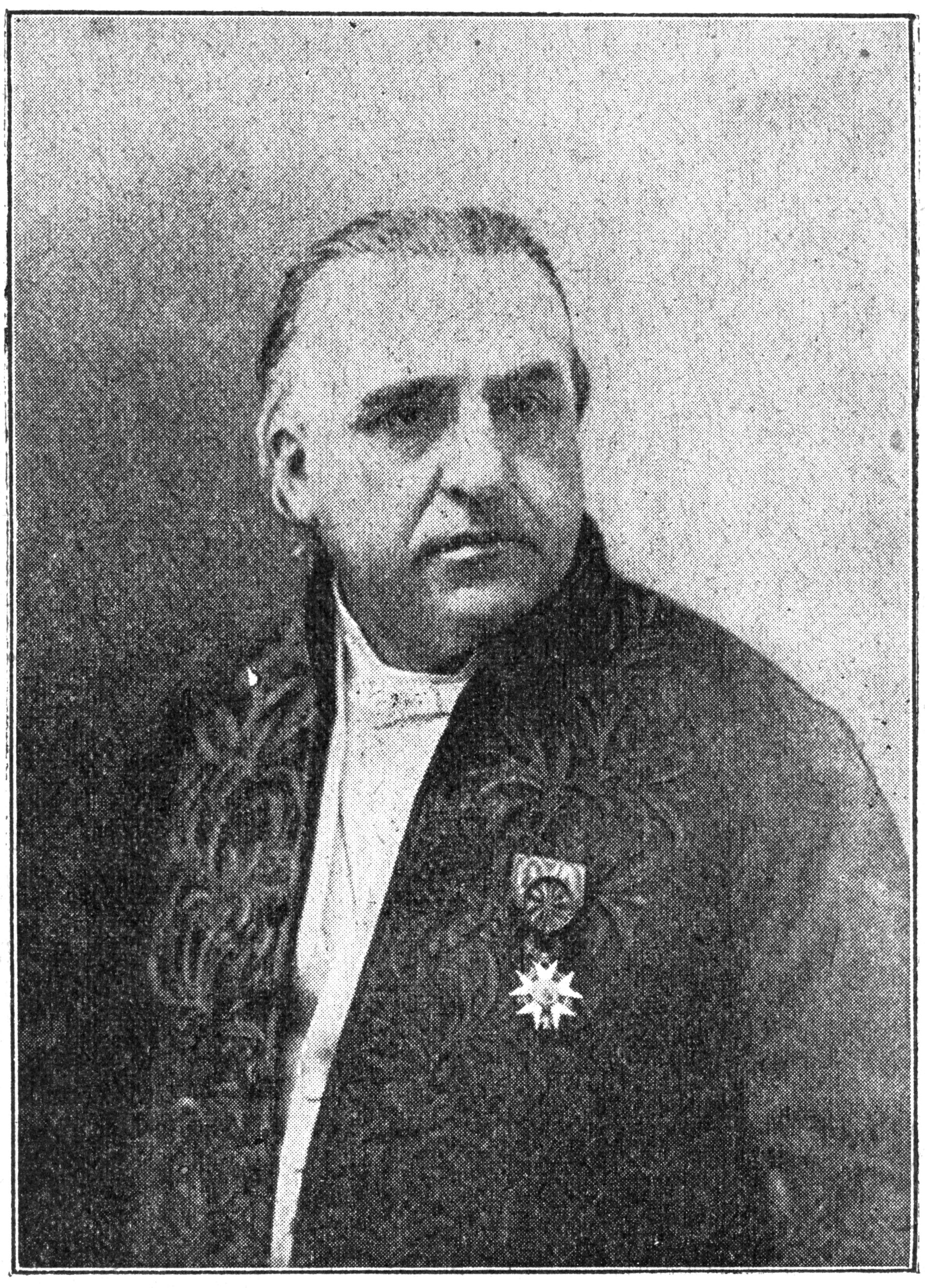
Admittedly Charcot’s findings were a landmark in the understanding of hysteria, Parkinson’s disease, and Parkinson’s disease with hyperextension. Yet, Charcot’s practices were ethically controversial. Public seizures and photographic documentation treated women as instruments of spectacle. The play translates these tensions into theatre through absurdist elements: a missing patient, spilled blood, and improvised lectures, creating humor and horror in equal measure. This absurdity aligns with Brechtian theory, destabilizing illusion to provoke reflection on historical complicity and the ethics of observation. Some of his patients revolted against him and Tourette in real life. Rose Kemper attempted to assassinate Georges Gilles de la Tourette in 1883, with a bullet to the head. In the play, creative licence is taken, with a who-dunnit ‘murder, not murder’. Mens, the one male patient is erractic, although little is known about his real life. In the play however, he plays a pivotal part in dissecting attitudes towards people with hysteria and tics.
Yet these inventive choices are not without drawbacks. The frenetic pacing and relentless physicality occasionally obscure character motivations and the narrative thread. The farcical tone, while effective at highlighting absurdity, sometimes undercuts the gravity of historical suffering. Moments of humor, improvisation, or chaos can overwhelm subtler, emotionally resonant material, leaving certain character arcs and ethical reflections underexplored. For audiences unfamiliar with Charcot, or the medical politics of hysteria, several references land without context, making key moments feel opaque rather than layered. For instance, the sudden entrance of a patient performing a seizure — lifted directly from Charcot’s staged “crises” — is presented without explanation, leaving some viewers unsure whether it is parody, homage, or historical reconstruction. Similarly, when the character of Tourette bursts into the scene mid-lecture, launching into neurological terminology and diagnostic categories, the humour depends on recognising his real-life role in Charcot’s research, which not all audience members will know.These limitations, however, are part of the L’Indiscipline’s boldness, reflecting the tension between historical fidelity and theatrical expression.
Staging, Physicality, and Performance
Part lecture hall, part asylum, staging, physicality and performance is where L’Indiscipline shines. Props like the trampoline demonstrates the patient’s ‘convulsions’ through hypnosis. A missing gun alludes to the detective mystery element of the grotesque comedy. Meanwhile a pendulum used by both Charcot and Tourette is both a theatrical indicator of showmanship, and control over their patient’s trauma. The props are used to emphasize tension and absurdity. However, the lighting was powerful. Spotlights punctuating moments of authority and disorder, during ‘seminal lectures’ carried out by the neurologists.
 Yet, like many independent theatre shows, the staging is mostly minimal. The audience relies on the actor’s words and physicality. Rose’s hands are covered in engine oil, but how does this connect to Louise Gliezes’s disappearence? In real life Louise escaped the hospital in 1880, never to be seen again. In L’Indiscipline, the actors live in her shadow. Charcot, obsessed with recreating the perfect version of female hysteria that Louise emulated. Blanche taking Louise’s place, his most infamous patient. Rose Kemper revolting against the hypnosis. Men’s stealing Charcot’s coat. The actors’ performances are disciplined yet improvisatory: convulsions, tremors, and collapses serve both as historical replication and theatrical commentary.The physicality underscores the ethical and emotional stakes: the women’s bodies, historically objectified, are foregrounded as sites of power, resistance, and theatrical expression. While some moments risk feeling overstretched or chaotic, the staging overall succeeds in merging historical realism with performative innovation.
Pros And Cons
Pros
-
Innovative adaptation of historical events into an immersive, dynamic theatrical experience
-
Insightful interrogation of gendered power, medical authority, and social constructions of hysteria
-
Layered physical performances conveying vulnerability and agency
-
Blending of satire, suspense, and historical reflection to provoke critical thought

Cons
-
Rapid pacing and high-intensity physicality can obscure narrative clarity
-
Farcical elements sometimes reduce the emotional resonance of historical suffering
-
Transitions between comedy, suspense, and historical reflection occasionally feel abrupt
Conclusion
L’Indiscipline is an ambitious, daring production that blends historical accuracy, theory, and theatricality into a compelling meditation on hysteria, authority, and performance. While moments of frenetic pacing and farce risk obscuring subtler emotional or ethical points, the production’s imaginative staging, layered physical performances, and satirical edge make it a memorable exploration of power, gender, and spectacle.
Before You Go:
-
Includes depictions of medicalized trauma, convulsions, and chaotic improvisation
-
Runtime: approximately 90 minutes, no interval
-
Recommended for ages 14+
-
Audiences should expect immersive, physically intense, and intellectually challenging theatre
- At Theatro Technis until the 15th November

Star Rating⭐️⭐️⭐️⭐️☆ — 4 out of 5
Have You Ever Been To The Voila! Film Festival Before?
*Disclaimer
Please note I was gifted tickets in exchange for this review but all thoughts are my own and are not affected by gifting. I would love to know whether you would like to see L’Indiscipline!


Leave a Reply